Social Security Paper Checks Are Being Cut Off – Here’s How to Switch Before It’s Too Late

Brett Hoppe
Published Jun 16, 2026
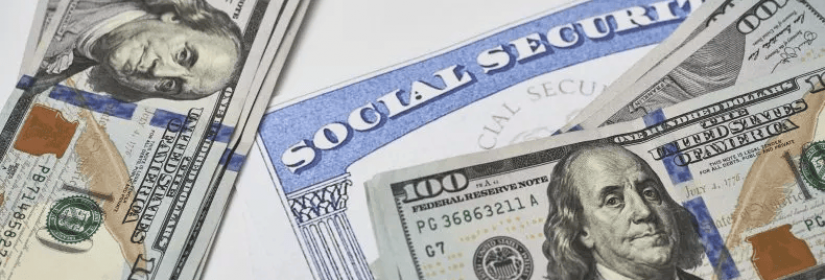
For most Social Security beneficiaries, paper checks are quickly becoming a thing of the past.
The federal government is pushing all benefit payments into safer, faster electronic formats.
If you still rely on a paper check in the mail, now is the time to switch so your monthly money keeps arriving without problems.
Why Social Security Is Ending Paper Checks
Under current federal benefit payment rules, most government benefits must be sent electronically instead of by paper check. This includes retirement and disability benefits, along with other federal payments millions of Americans depend on.
The move away from paper checks is designed to:
-
Reduce fraud, theft, and lost mail
-
Cut processing and mailing costs
-
Make sure beneficiaries receive money on time, even during mail delays
When Will Social Security Paper Checks End?
The U.S. Department of the Treasury has already stopped issuing most new paper checks for federal benefits and is finishing the transition to electronic-only payments. The Social Security Administration has made it clear that remaining beneficiaries still using paper checks will be moved to electronic options as the process is completed.
If you are still receiving a check in the mail, you should act now rather than waiting for a final deadline or risking a disruption in your benefits.
Your Two Main Options for Electronic Social Security Payments
1. Direct Deposit to a Bank or Credit Union
The fastest and most common way to get your money is direct deposit into a checking or savings account. With direct deposit, your Social Security benefit goes straight into your bank or credit union on your scheduled payment date—no mail, no paper, and no waiting.
You can then access your funds using your debit card, ATM, online banking, or by writing checks as usual.
2. Direct Express Prepaid Debit Card
If you do not have a bank account, you can receive benefits on a Direct Express prepaid debit card. Your benefit is deposited directly to the card each month, and you can use it at stores, ATMs, and to pay bills, similar to any other debit card.
This option is helpful for people who are unbanked or prefer not to use a traditional bank account.
Step-by-Step: How to Switch From Paper Checks to Electronic Payments
-
Gather your information
Have your Social Security number and benefit details, current mailing address, and bank account details (if you have one) ready. -
Use an online account if you can
Many retirees and disabled workers can manage Social Security payment information using a secure online account portal. From there, you can add or update your direct deposit information. -
Call or visit Social Security if online access is difficult
People who receive Supplemental Security Income (SSI), live outside the United States, or have trouble using the internet may need to speak with a representative by phone or in person. -
Ask about Direct Express if you do not have a bank account
When you contact Social Security, you can request to move your payments to the Direct Express card program instead of continuing to receive paper checks. -
Watch your next payment date carefully
After you switch, check your next scheduled payment to make sure your benefit arrives correctly in your bank account or on your debit card.
Are There Any Exceptions?
In limited cases, people who truly cannot use electronic payments may qualify for a hardship waiver from the electronic payment requirement. These situations are rare and usually require showing serious barriers to banking or card use.
For almost everyone else, the message is firm: paper checks are being phased out, and electronic payments are now the standard way to receive Social Security benefits.
-
Don't miss out on general benefits information!
Subscribe for the latest updates, expert advice, and valuable tips to help you maximize your benefits and financial well-being.
Stay informed—sign up now!

Related Articles
View all posts
Social Security Payment Schedule for December 2026: When Will You Get Paid?...
Social Security payments will arrive on December 3, 9, 16, or 23, depending on when you started receiving benefits and the birth date used for your payment schedule. Supplemental Security Income re...

SSI Payments in December 2026: Two Payment Dates and a Benefit Increase...
Supplemental Security Income recipients are scheduled to receive payments on December 1 and December 31, 2026. The second deposit will include the 2027 benefit increase—but it is January’s payment ...

SSDI Payment Schedule for December 2026: Check Your Deposit Date...
Social Security Disability Insurance recipients will receive their December payments on December 3, 9, 16, or 23, 2026. Your date depends on when you began receiving benefits, whether you also receive SSI, an...

$1,400 Social Security Stimulus: What Seniors Should Know
The Senior Citizens League (TSCL) is urging Congress to approve a $1,400 payment to help seniors facing rising costs. But the request is not an approved Social Security benefit, and reports do not include a confirmed p...

Can You Walk Into a Social Security Office Without an Appointment?...
Yes, you may be able to walk into a Social Security office without an appointment, but it does not guarantee immediate service. The Social Security Administration encourages people to schedule appointments,...

November Social Security Payments: Who Gets Paid Early?...
Two calendar changes affect November’s Social Security payment schedule: SSI benefits arrive in late October, and one group of Social Security recipients gets paid a day earlier because of Veterans Day. Other paymen...